Introduction to Direct-to-Film Printing
There are several types of machines used for printing clothes, each suited to different production needs. Traditional screen printing presses, direct-to-garment (DTG) printers, heat press machines, and direct-to-film (DTF) printers all play a role in the apparel industry. The best choice often depends on factors like order volume, fabric type, and the level of detail required.
Among these options, DTF printing has become a practical solution for businesses that need flexibility and lower setup complexity. It allows designs to be transferred onto a wide range of fabrics without extensive preparation. When comparing equipment, it is useful to look closely at how different dtf printers perform and how they fit into your workflow. Understanding these differences helps you make a more informed decision before investing.
What DTF Printing Is and How It Works
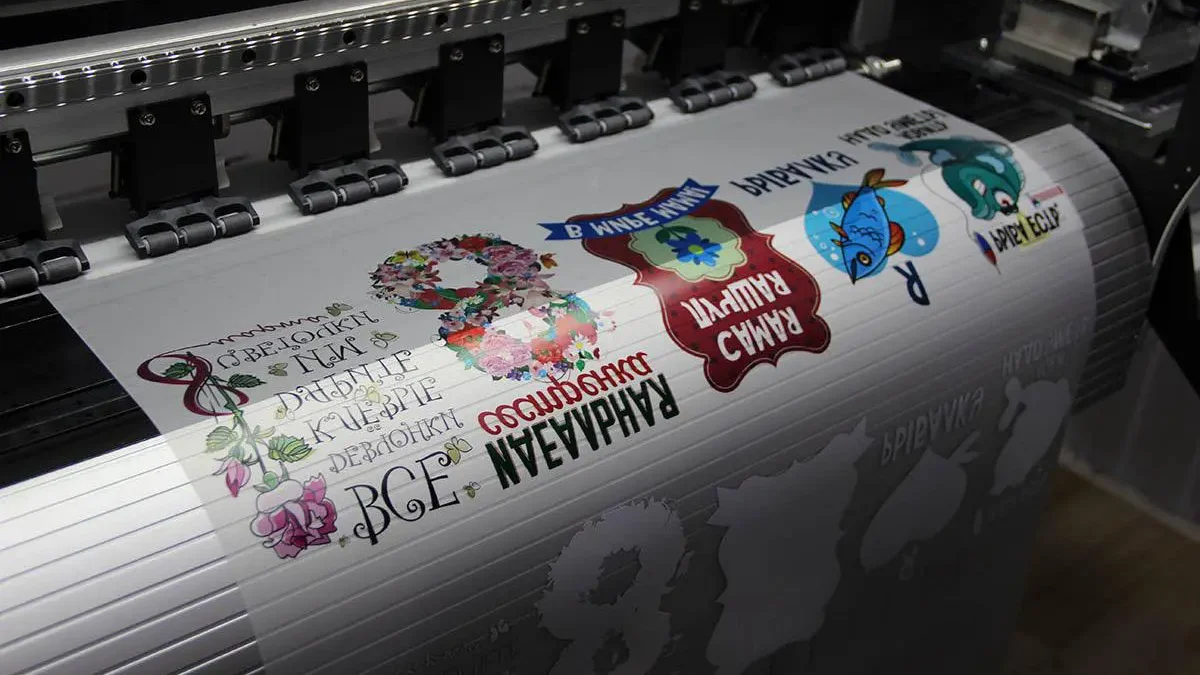
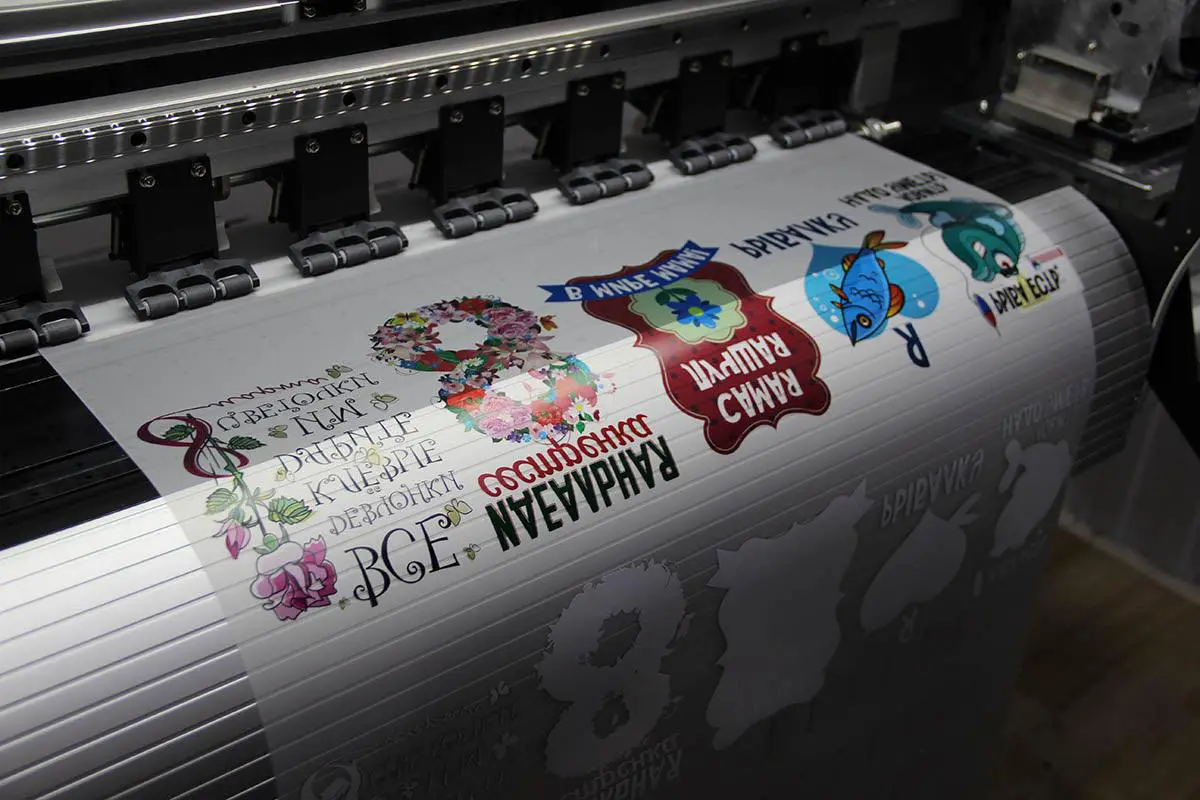
DTF printing involves printing a design onto a special film using dedicated inks. A powdered adhesive is applied to the printed design, which is then cured with heat. The design is transferred onto fabric using a heat press, creating a durable and detailed finish.
Compared to screen printing, which requires separate screens for each color, DTF simplifies multi-color jobs. In contrast to DTG printing, which prints directly onto fabric and often requires pre-treatment, DTF works across a wider range of materials. It can be used on cotton, polyester, blends, and other fabrics, making it a versatile choice for clothing production.
Key Features to Look for When Comparing Machines
When choosing a machine for printing clothes, print quality is one of the most important factors. Higher resolution printers produce sharper images and more accurate colors, which is essential for detailed designs.
Production speed is another consideration. Businesses handling bulk orders may need faster machines, while smaller operations can prioritize cost and flexibility. Maintenance is also important—machines that are easy to clean and maintain are more reliable over time.
In addition, compatibility with inks and films plays a role in consistent output. Using suitable materials helps reduce issues such as clogging or uneven prints and ensures better overall results.
Benefits of Using DTF Printing for Businesses
DTF printing offers several advantages compared to other clothing printing methods. One of the main benefits is lower setup costs. Unlike screen printing, there is no need to prepare multiple screens, which saves both time and resources.
It also supports short runs and custom orders, making it ideal for businesses that offer personalised clothing. Complex, full-color designs can be produced without additional steps, simplifying the workflow.
Another key benefit is reduced waste. Because the process requires fewer setup materials, businesses can operate more efficiently while keeping production costs manageable.
Common Challenges and How to Manage Them
While DTF printing is relatively straightforward, it does come with some challenges. Ink clogging can occur if the printer is not used regularly or cleaned properly. A consistent maintenance routine helps prevent this issue.
Proper film storage is also important. Keeping films in a clean, dry environment reduces the risk of defects during printing. Curing must be done carefully as well, since incorrect heat or timing can affect how well the design adheres to the fabric.
Basic troubleshooting includes checking printer settings, ensuring even adhesive application, and confirming that the heat press is operating at the correct temperature. These steps help maintain consistent quality.
Cost Considerations and Return on Investment
The cost of printing machines goes beyond the initial purchase. Ongoing expenses such as inks, films, and maintenance supplies should be taken into account.
Calculating the cost per print is important for setting prices and maintaining profitability. Factors like design size, ink usage, and labour all contribute to production costs. Businesses that manage these elements effectively are better positioned to achieve strong returns.
Targeting niche markets or offering custom designs can also improve profitability, especially when using flexible methods like DTF printing.
Best Practices for Getting Started
Setting up the right workspace is essential for smooth operation. Adequate ventilation, proper lighting, and an organized layout all contribute to better efficiency.
Training is another important factor. Operators should take time to understand how the equipment works and how to maintain it properly. Running test prints before full production helps identify potential issues and refine the process.
A well-planned setup and consistent approach can reduce errors and improve overall productivity.
Conclusion
Several machines are used for printing clothes, including screen printing presses, DTG printers, heat presses, and DTF printers. Each has its own strengths, but DTF stands out as a flexible and practical option for many businesses.
By understanding how these machines differ and what to look for in equipment, businesses can choose a solution that fits their needs. Careful planning, proper maintenance, and a clear understanding of costs all contribute to building a reliable and efficient clothing printing operation.